- August 10, 2026
- 188
- Blog
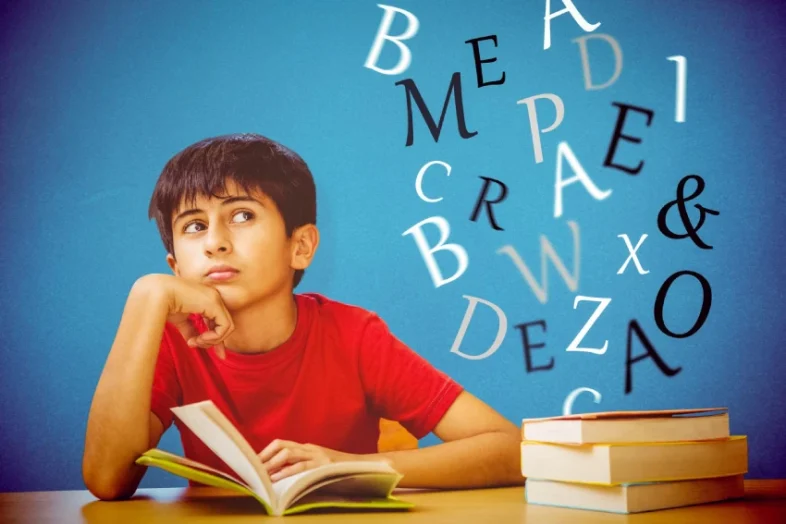
“Why do I need to study English?”
The question was asked by one of my students, with the confidence of a barrister and the impatience of someone who had already decided the answer was going to be unsatisfactory.
I opened my mouth to explain that English helps us communicate, write clearly, and succeed in exams.
Then I stopped.
Because although all of those things are true, they aren’t the real reason English matters.
English helps us understand the world.
And perhaps more importantly, it helps us understand ourselves.
People sometimes assume that English Literature is about analysing quotations and finding metaphors. While those skills have their place, literature is really the study of humanity.
Every story asks questions about how people think, behave, and respond to the world around them.
Why do good people sometimes make bad choices?
Why does power change people?
Why do families fall apart?
What makes someone brave?
What does it mean to belong?
The remarkable thing is that these questions remain relevant whether we are reading Shakespeare, Dickens, Maya Angelou, or a modern novel.
Human beings change surprisingly little.
The clothes are different.
The technology is different.
The emotions are not; they are the same.
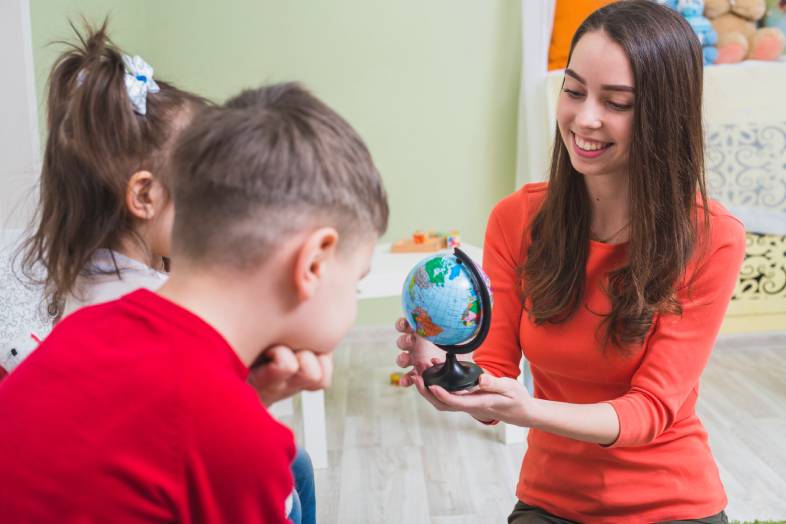
As a teacher, I have often watched students become absorbed in characters who lived hundreds of years ago. They begin by assuming the story has nothing to do with them.
A few lessons later, they are passionately debating whether a character made the right choice or whether they would have acted differently. Without realising it, they have stepped into somebody else’s shoes.
Scientists have found that reading literary fiction activates areas of the brain linked to empathy and social understanding. Researchers sometimes describe reading as a kind of mental simulation. As we follow a character’s thoughts and emotions, our brains practise understanding perspectives that are different from our own.
A student studying Dickens begins to understand social inequality.
A student reading war poetry gains insight into conflict and sacrifice.
A student exploring novels from different cultures develops an appreciation of lives that may be vastly different from their own.
Suddenly the world feels larger.
And yet, strangely, it also feels more connected.
One of the things I love most about literature is its ability to challenge certainty. Children often see the world in black and white. Heroes are good. Villains are bad. Problems have simple solutions.
Literature gently complicates that view.
It teaches us that good people can make mistakes.
That difficult choices often have no perfect answer.
That truth can look different depending on where you stand.
These are lessons that extend far beyond the classroom.
As parents, we often worry about grades and examination results. We want our children to succeed, and rightly so. Yet some of the most important benefits of English cannot be measured on a report card.
You cannot easily quantify empathy.
You cannot assign a percentage to curiosity.
You cannot calculate the value of understanding another person’s perspective.
And yet these qualities influence every aspect of life.
Yes, studying the language teaches us how to communicate, certainly.
But literature – it teaches us how to observe, to question, to empathise, and to understand.
In a rapidly changing world, those skills are invaluable.
English gives us words.
Literature gives us wisdom.
Together, they help us make sense of the wonderfully complex world we live in.